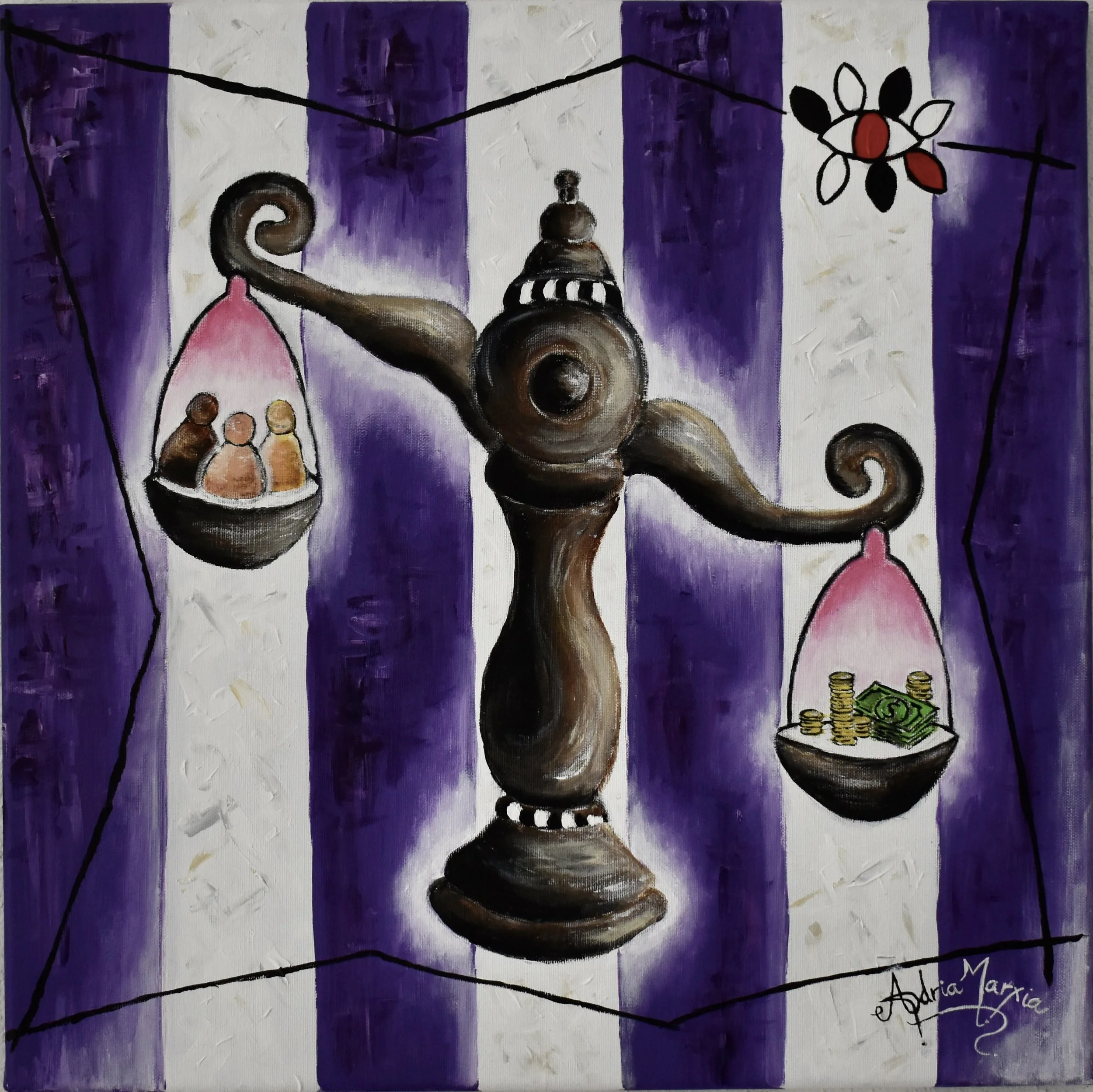
Icons of an Unequal Age (2026)
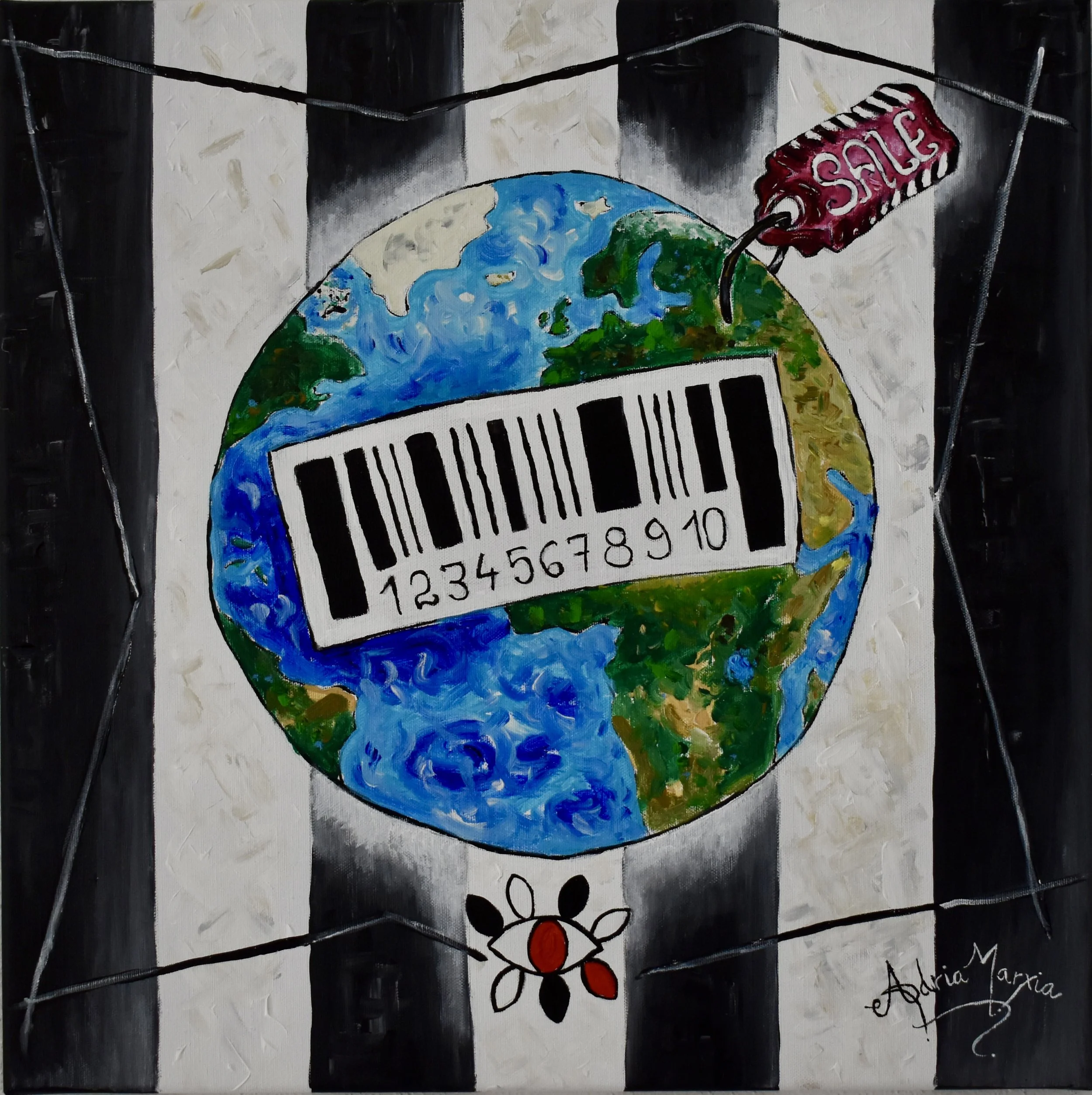
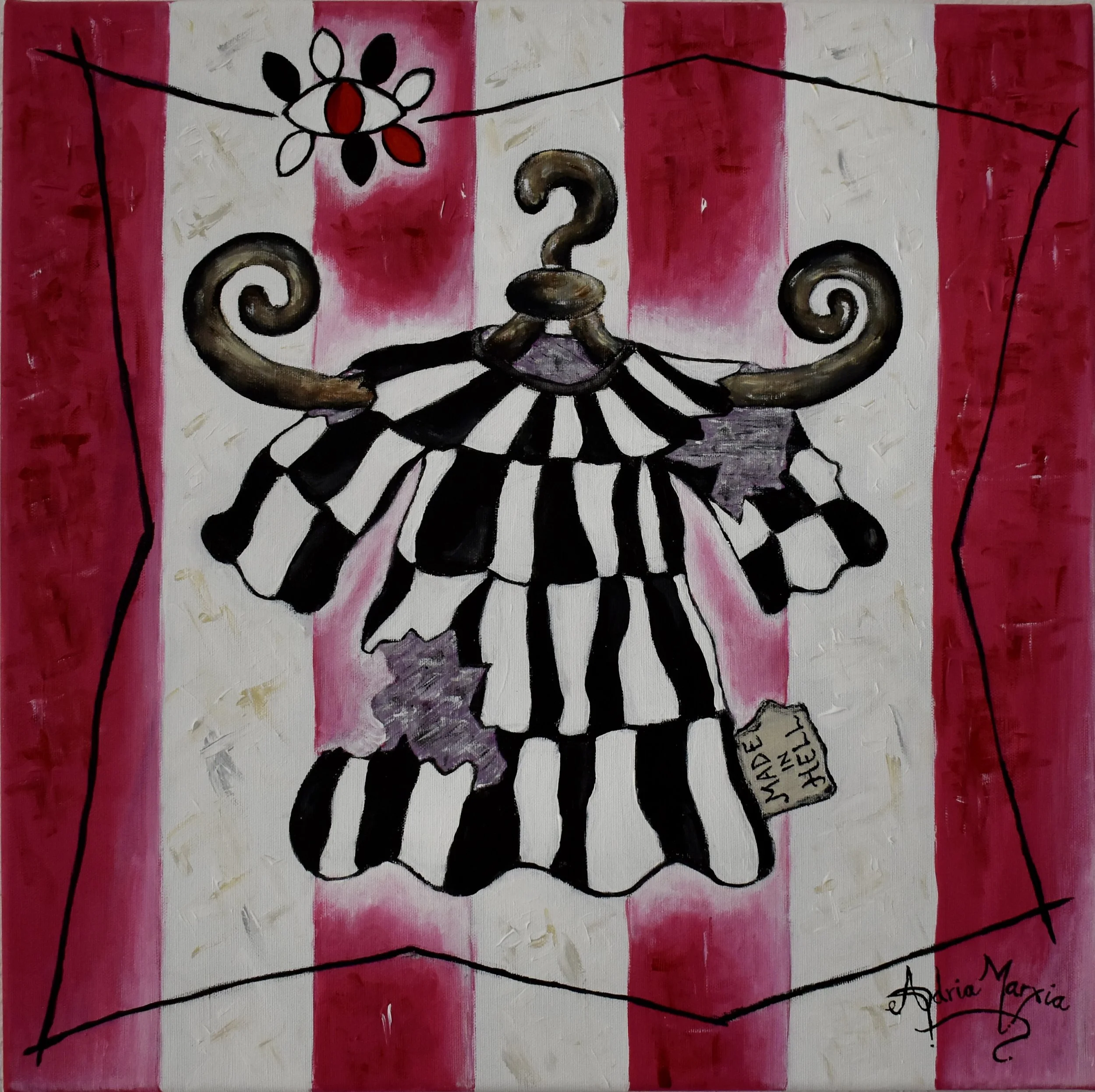
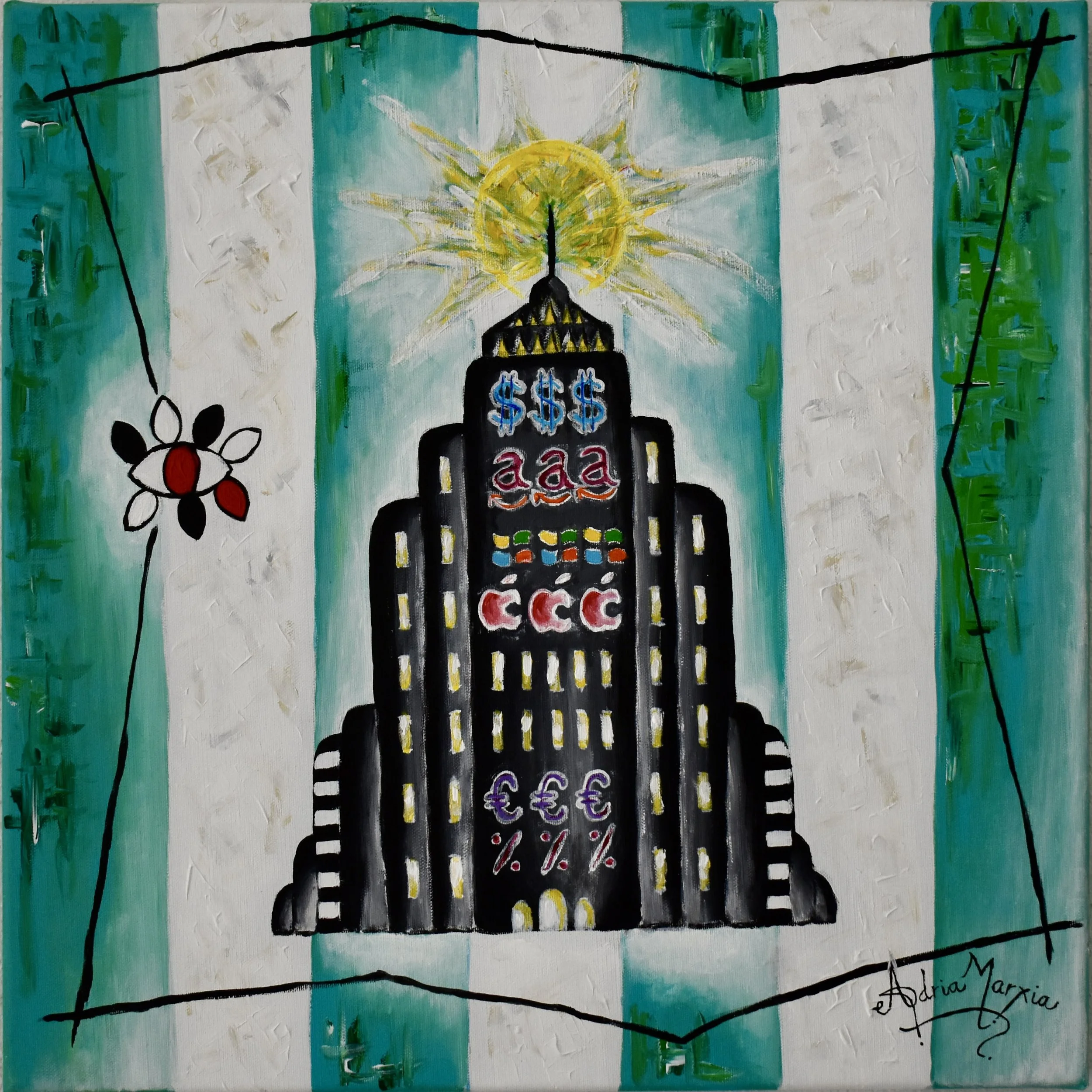
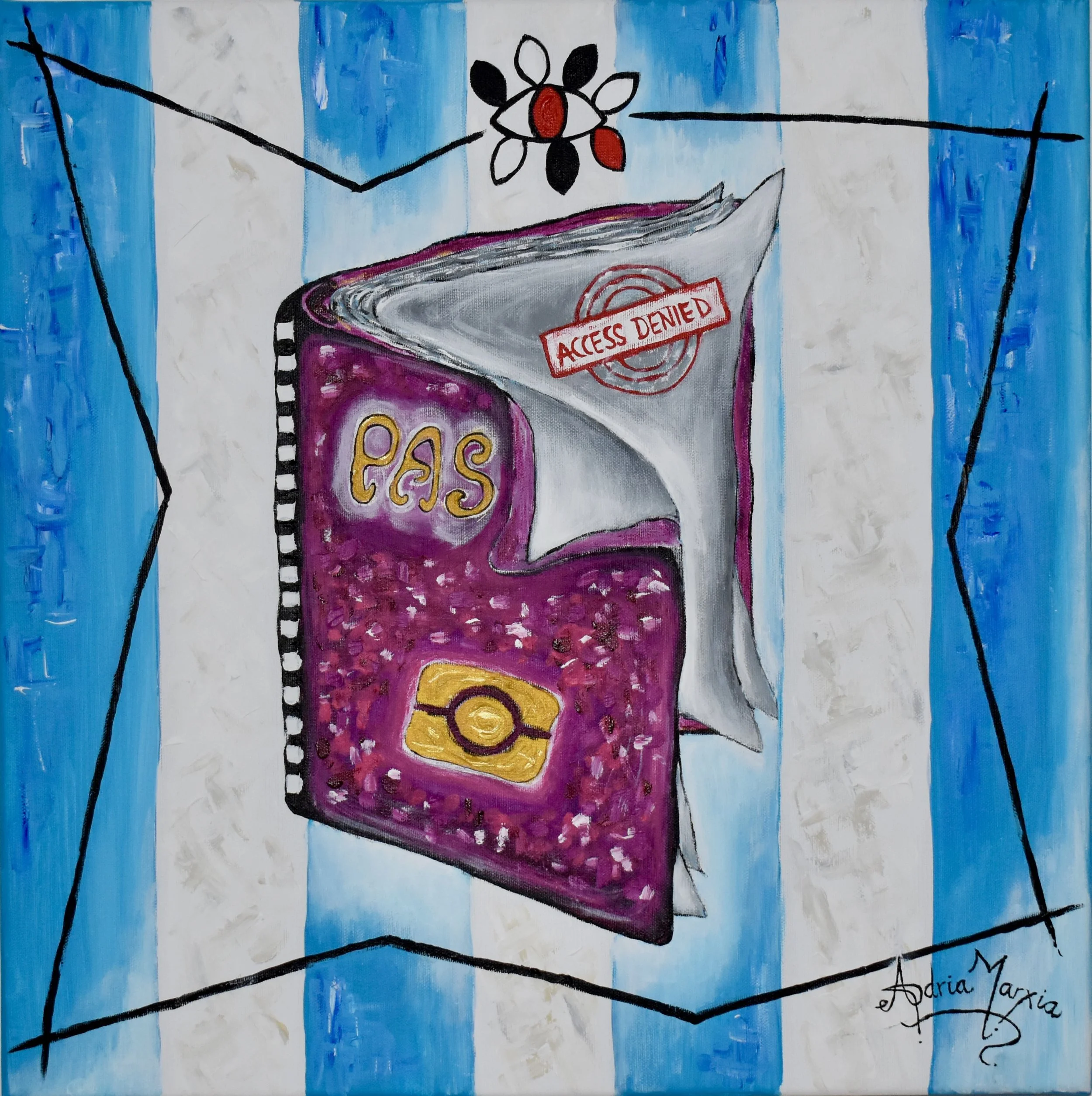
Icons of an Unequal Age (2026) is a series of paintings that takes the most embedded symbols of contemporary life – which are not accidental, but embody and reinforce inequality – and transforms them into icons.
Together, the works form a system of seven contemporary icons: consumption, digital visibility, ecological extraction, labor, corporate power, global mobility, and economic value. Each painting isolates one mechanism and compresses it into a single image – stripped of context, revealed as structure, and returned as icon. What connects them is not subject matter, but logic: a world organized through exchange, visibility, extraction, and control. In this system, consumption becomes behavior, attention becomes currency, nature becomes asset, labor becomes invisibility, brands become belief systems, borders become selection mechanisms, and life itself becomes quantifiable.
Inequality is not accidental. It is designed, maintained, and repeated.
In the lineage of Pop Art, where artists such as Andy Warhol transformed the imagery of consumer culture into critical reflection through objects like Campbell’s soup cans, this series shifts the focus from surface culture to systemic architecture – what structures perception rather than what appears within it.
But unlike Warhol, these paintings do not depict what people consume – they depict what consumes people.